

in partnership with

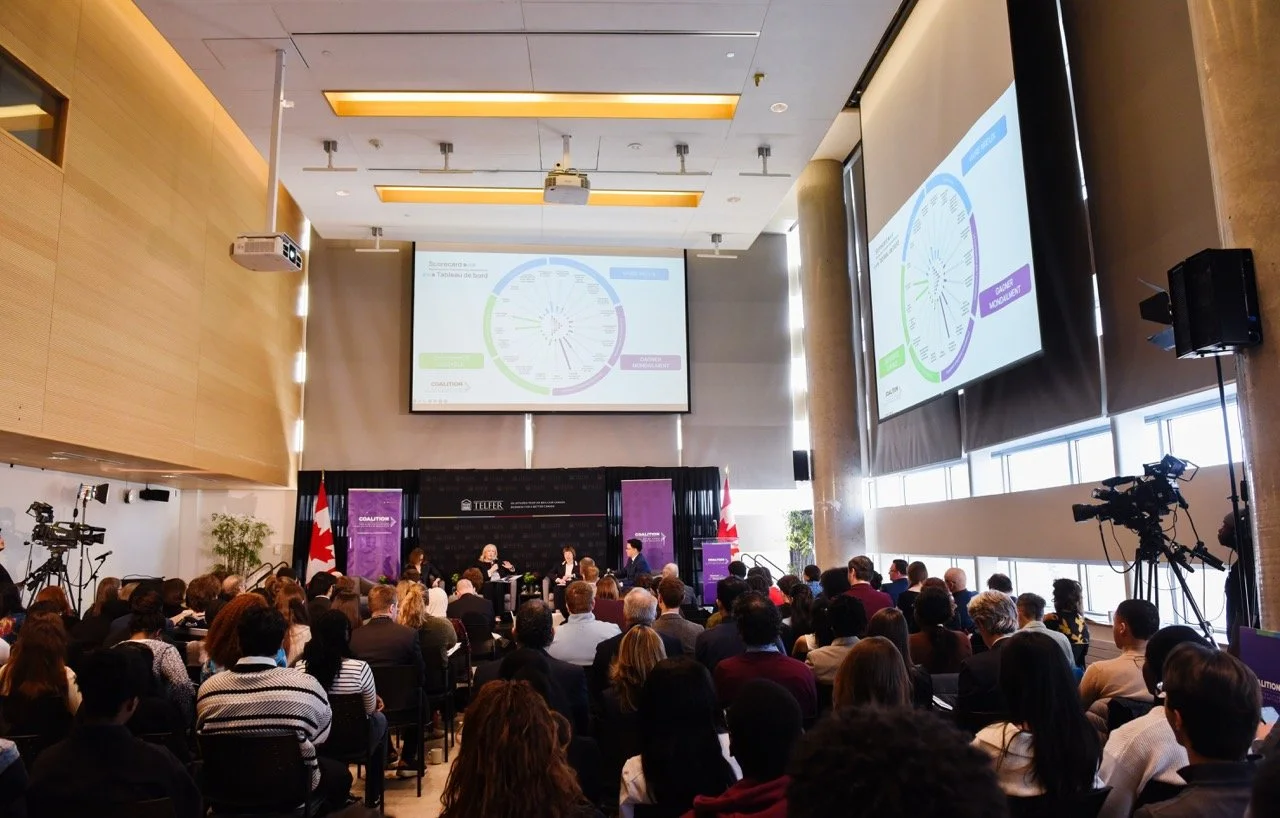
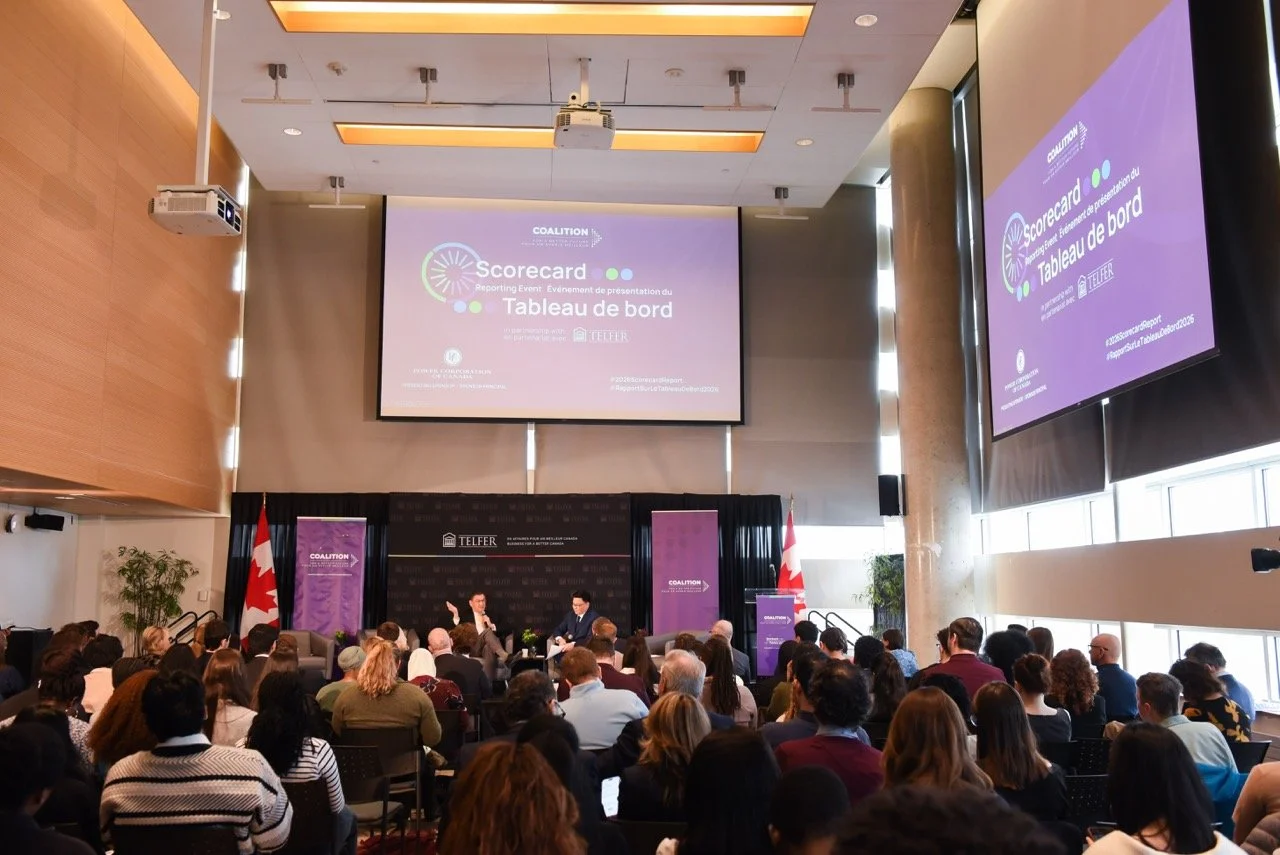
Thank you to our members, sponsors, attendees and panelists for a successful 2026 Scorecard Reporting Event.
Around the world, countries are moving to secure their economic futures — investing in energy, critical minerals, advanced manufacturing, and the infrastructure that moves those products to global markets.
They are not just growing; they are competing.
Canada cannot afford to stand still.
It’s time to act.


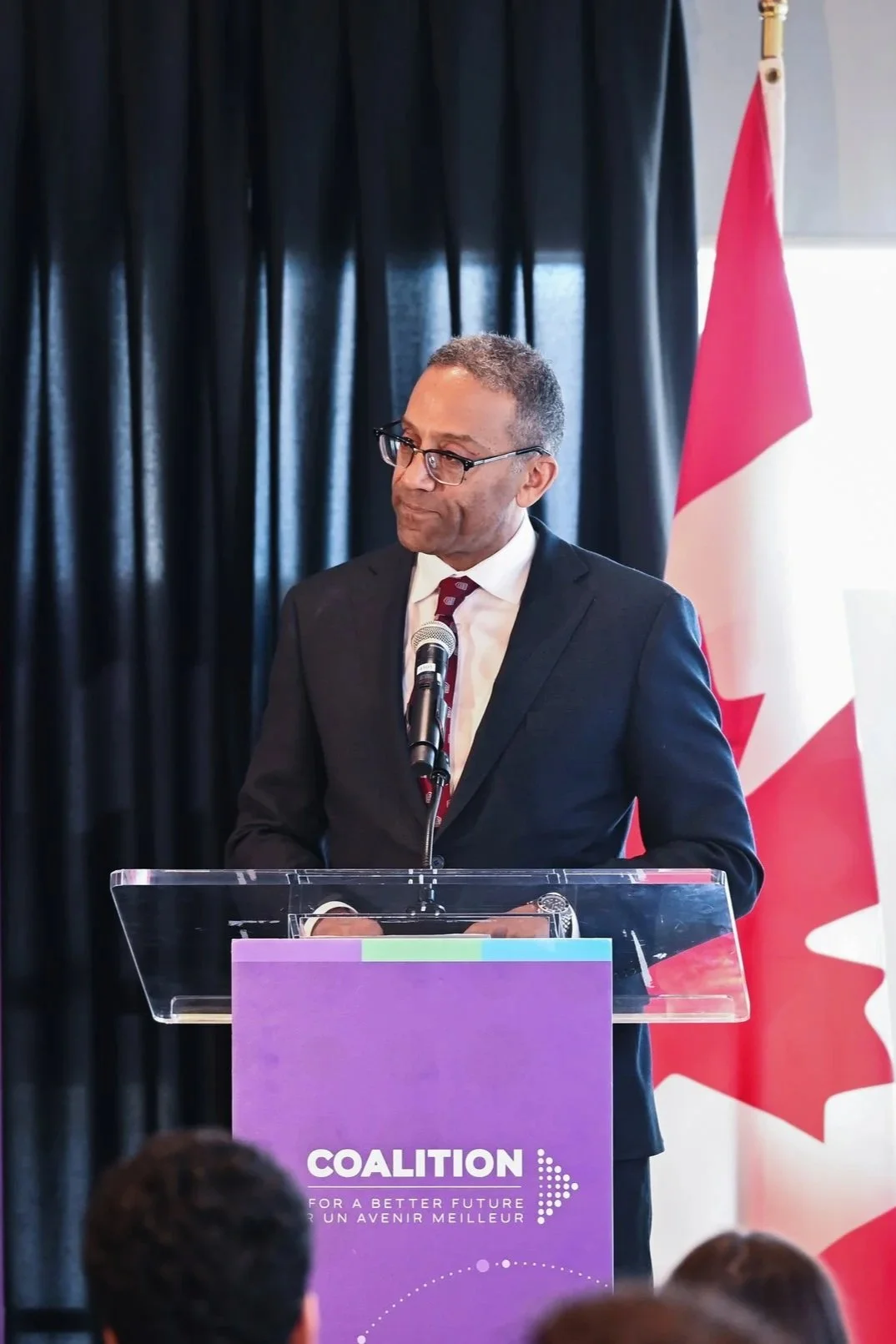
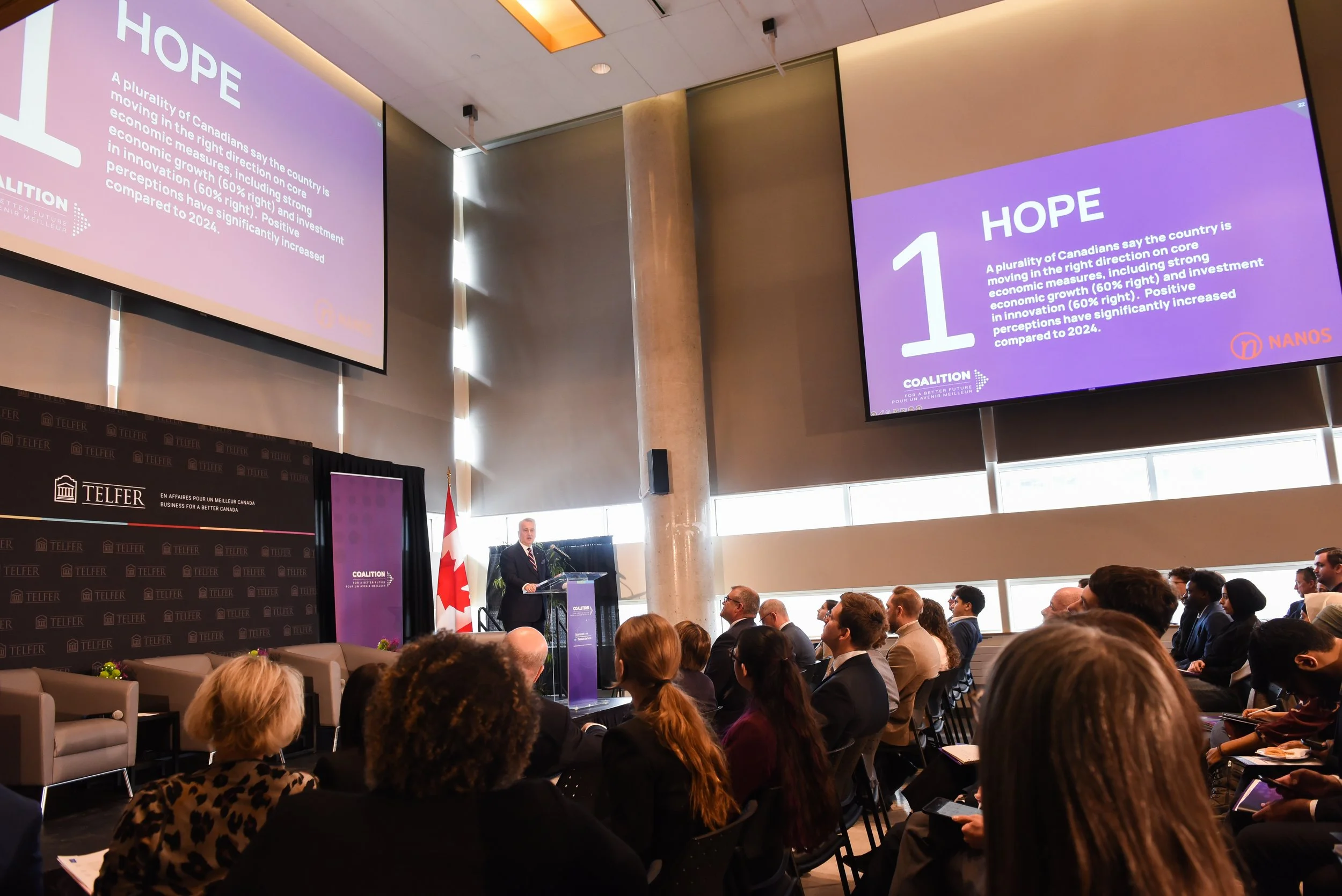
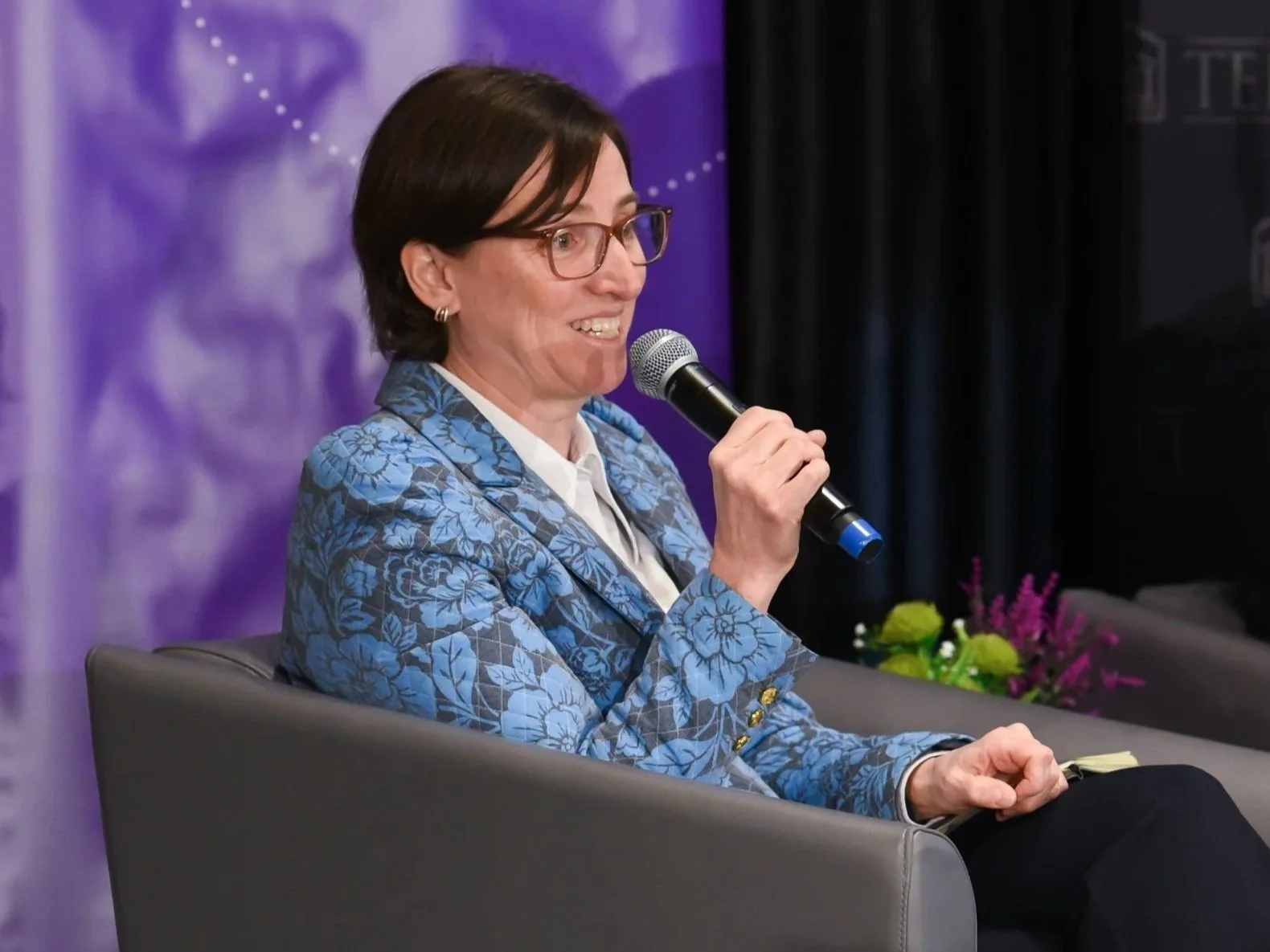
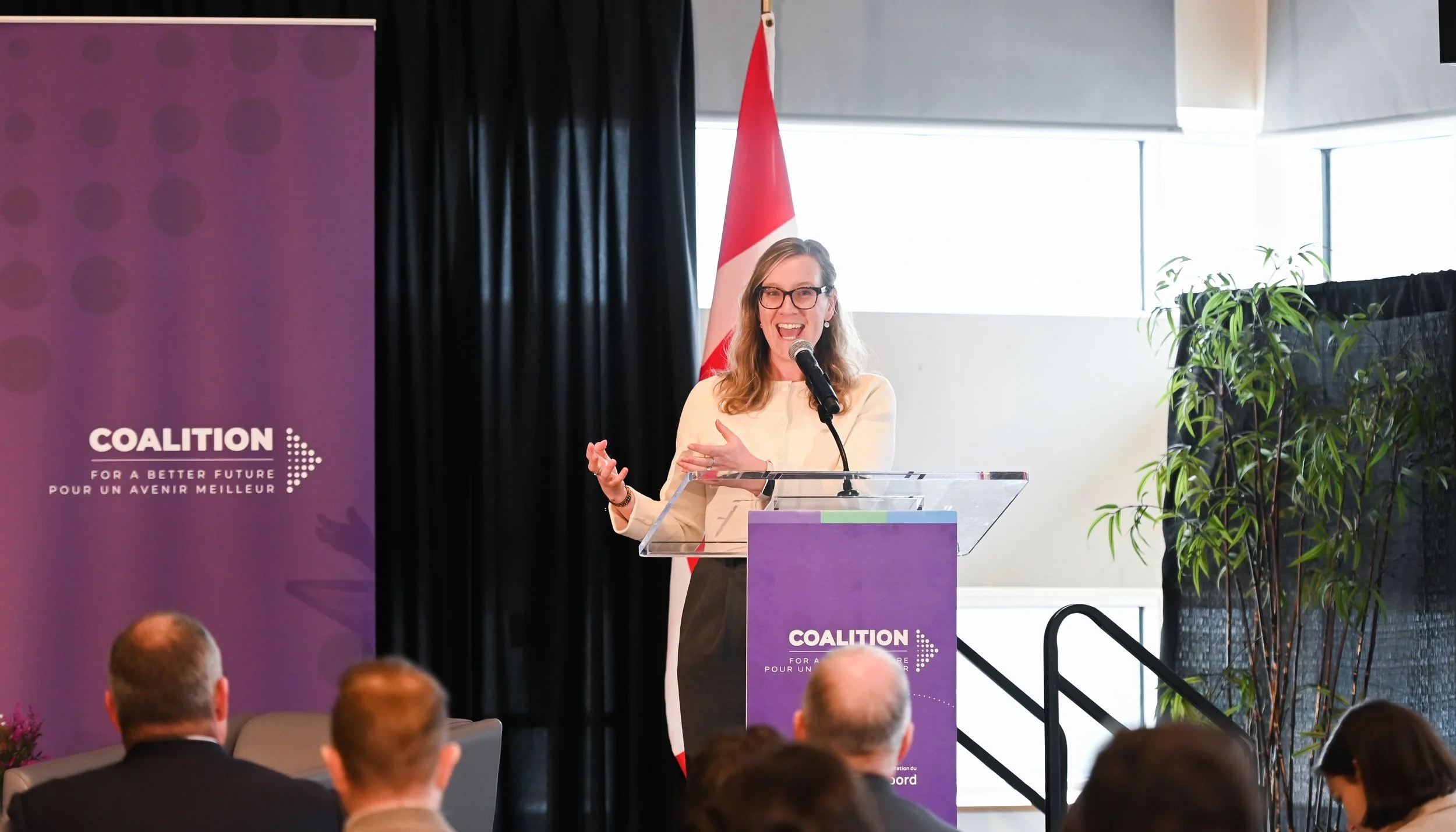

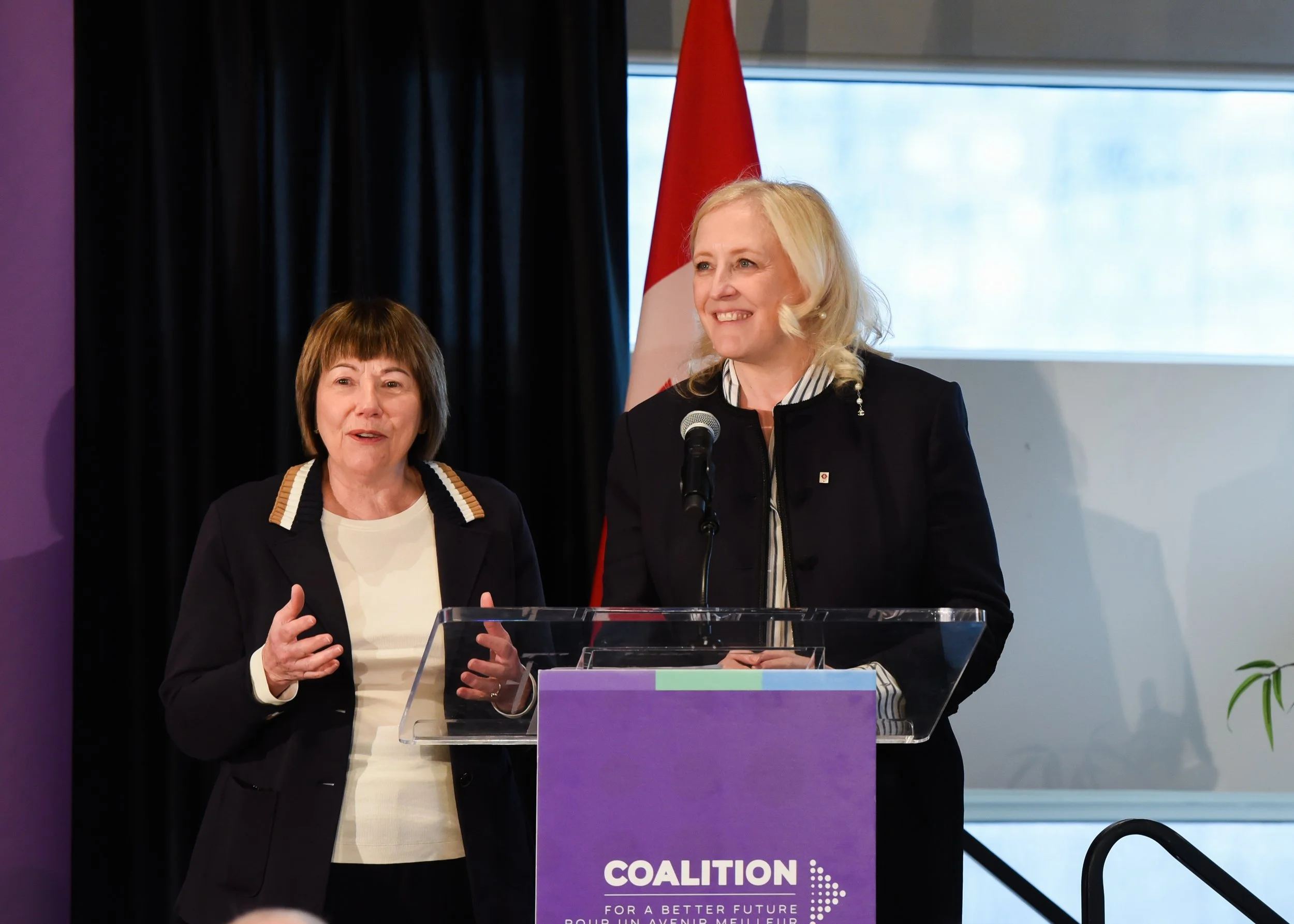
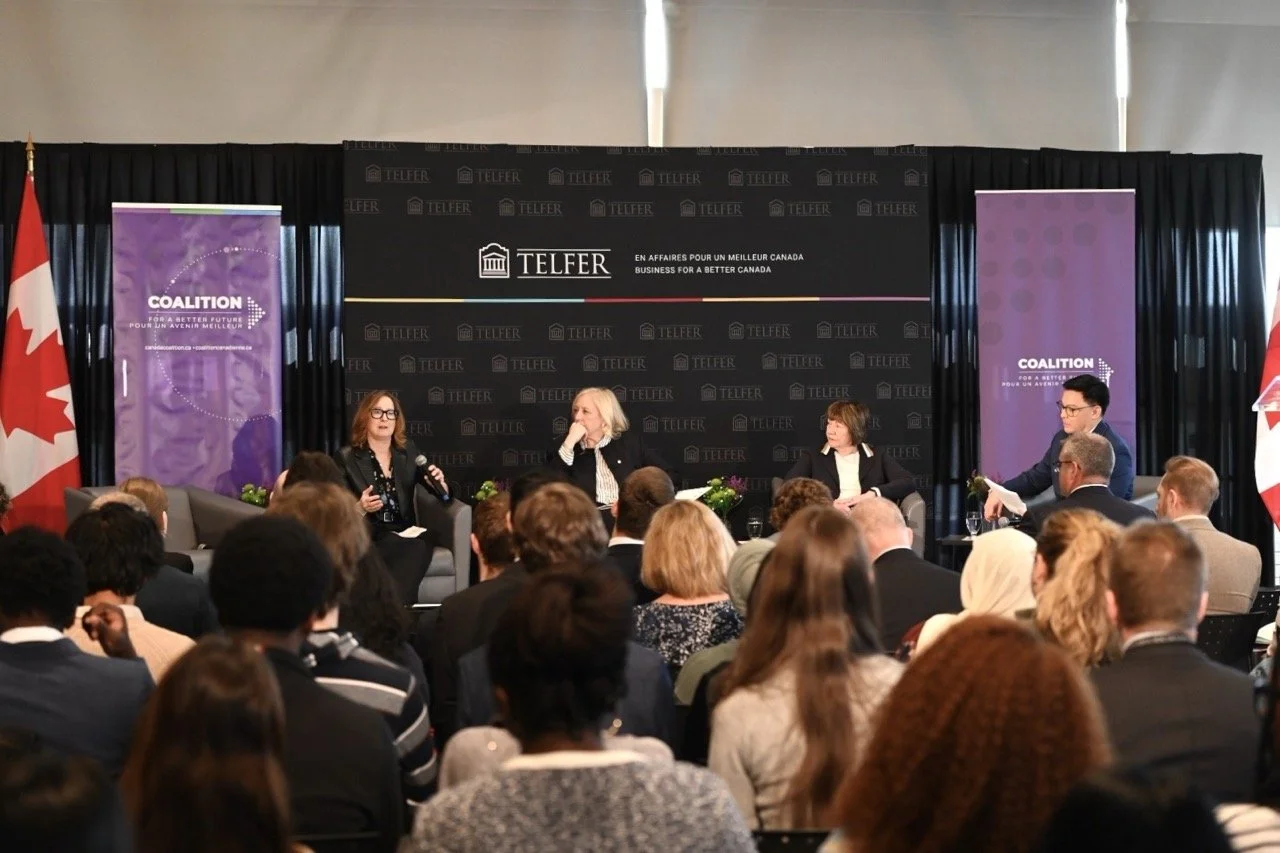
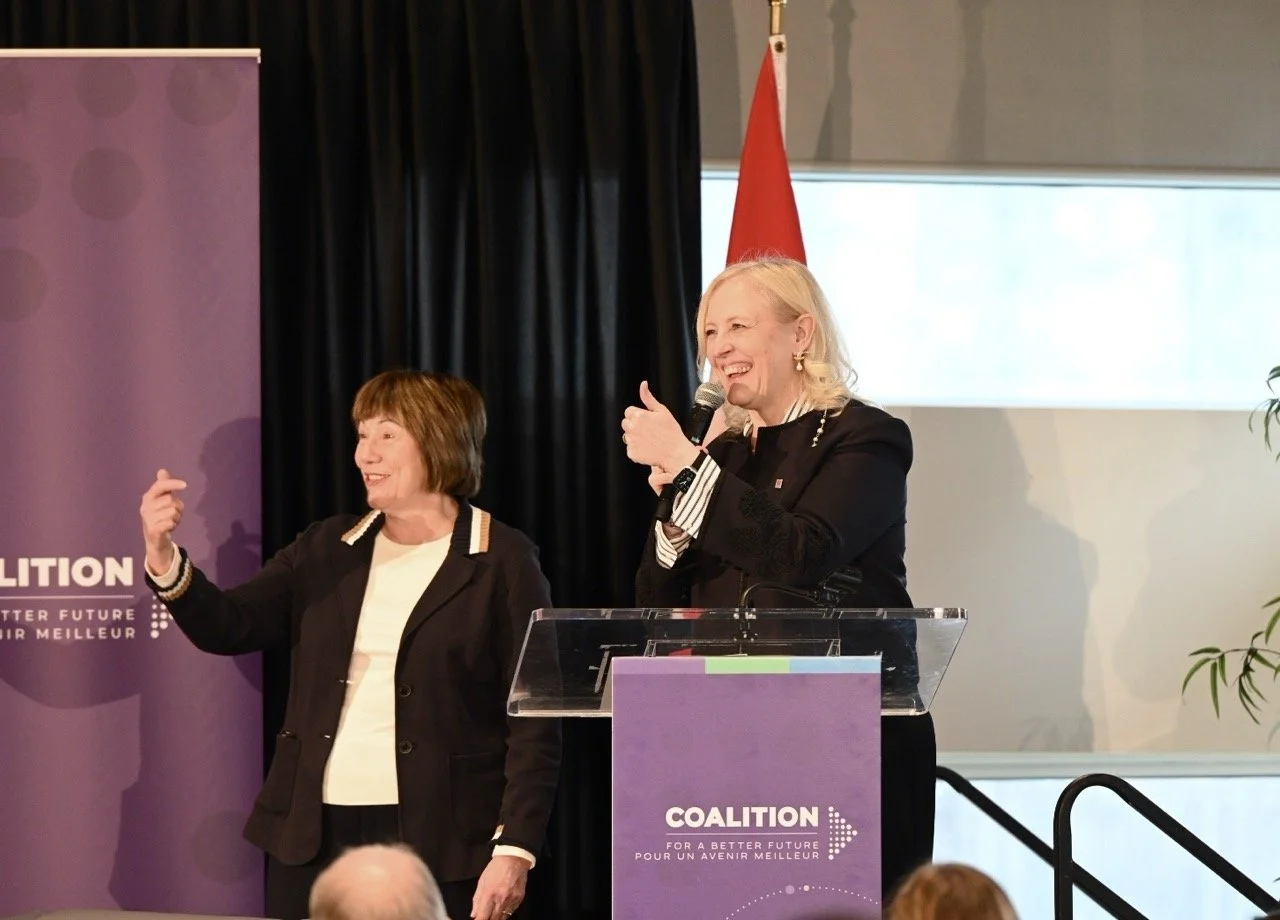
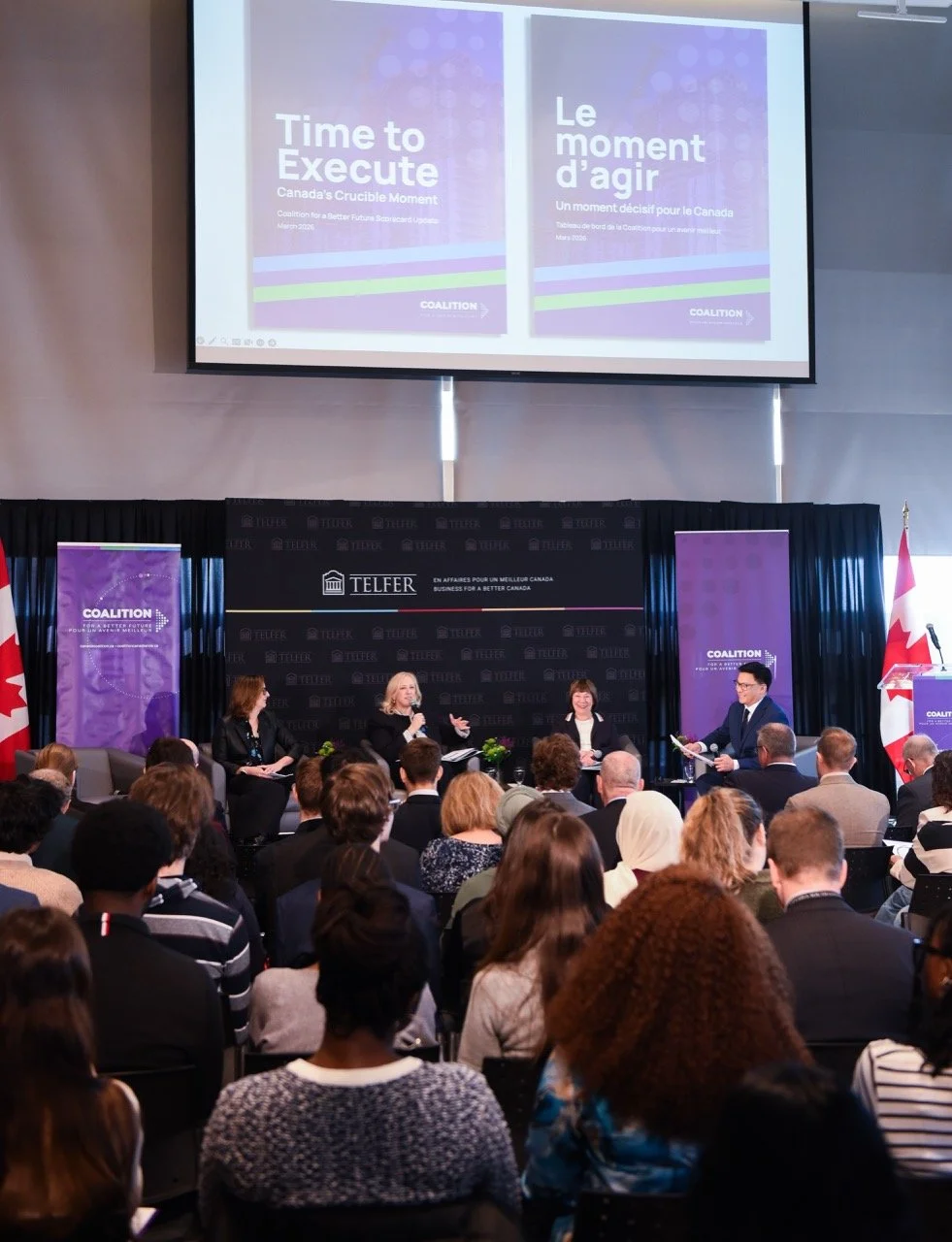
Anne McLellan and Lisa Raitt, co-chairs of the Coalition for a Better Future, pictured at the Scorecard Reporting Event March 26. | PHOTO: Melanie Shields
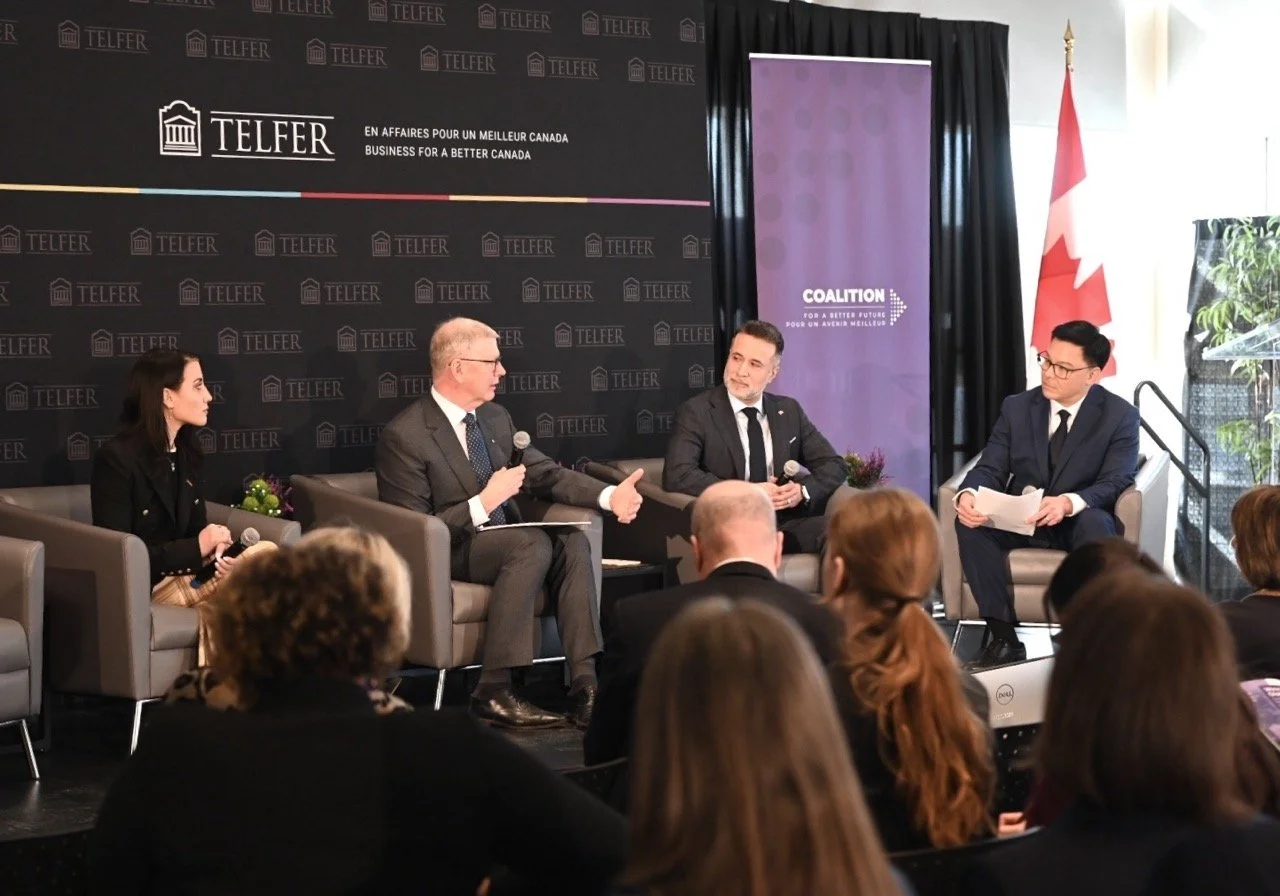
The Coalition for a Better Future, in partnership with the Telfer School of Management at the University of Ottawa, presented the 2026 Scorecard Report, which measures Canada's progress toward long-term, inclusive and sustainable economic growth.
The message from this year's Scorecard is clear and urgent: Canada is not facing a gradual slowdown. We are in a crisis, and the time for planning has given way to the time for action.
As the Coalition co-chairs said from the stage at the event, “it’s go time.”
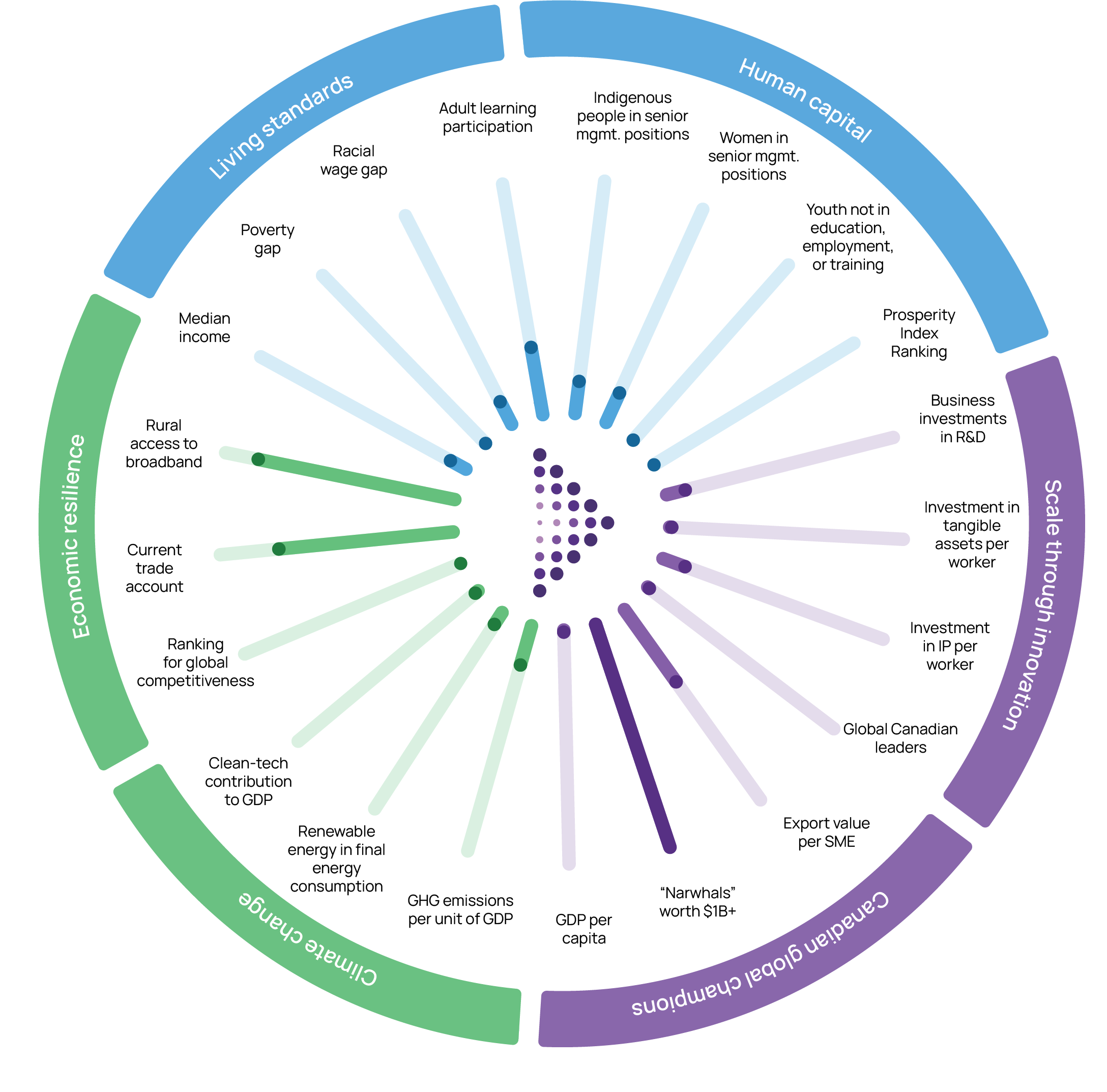
Our Scorecard examines 21 economic measures against our 2030 targets, and this year's findings reflect the fragility of our economic growth. Business investment as a share of GDP has fallen to its lowest level since the 1950s. Poverty has climbed back to nearly 11 per cent. Food prices are up 27 per cent over five years. Twelve per cent of our youth are not in employment, education, or training. And in late 2025, Canada experienced its largest population decline outside of the COVID years since the 1940s.
During the event, Carolyn Wilkins, external member of the Bank of England’s Financial Policy Committee and Coalition Advisory Council member, noted that the rising poverty rate is very concerning because it indicates that even the modest growth our economy is achieving is not enough to “raise living standards the way that we would hope for enough people.”
At the heart of so many of these challenges is a persistent failure to attract and retain business investment. Cumbersome regulations, internal trade barriers, and a longstanding over-reliance on the U.S. market have left Canada exposed. Diversifying our trade will be key to improving our trajectory.
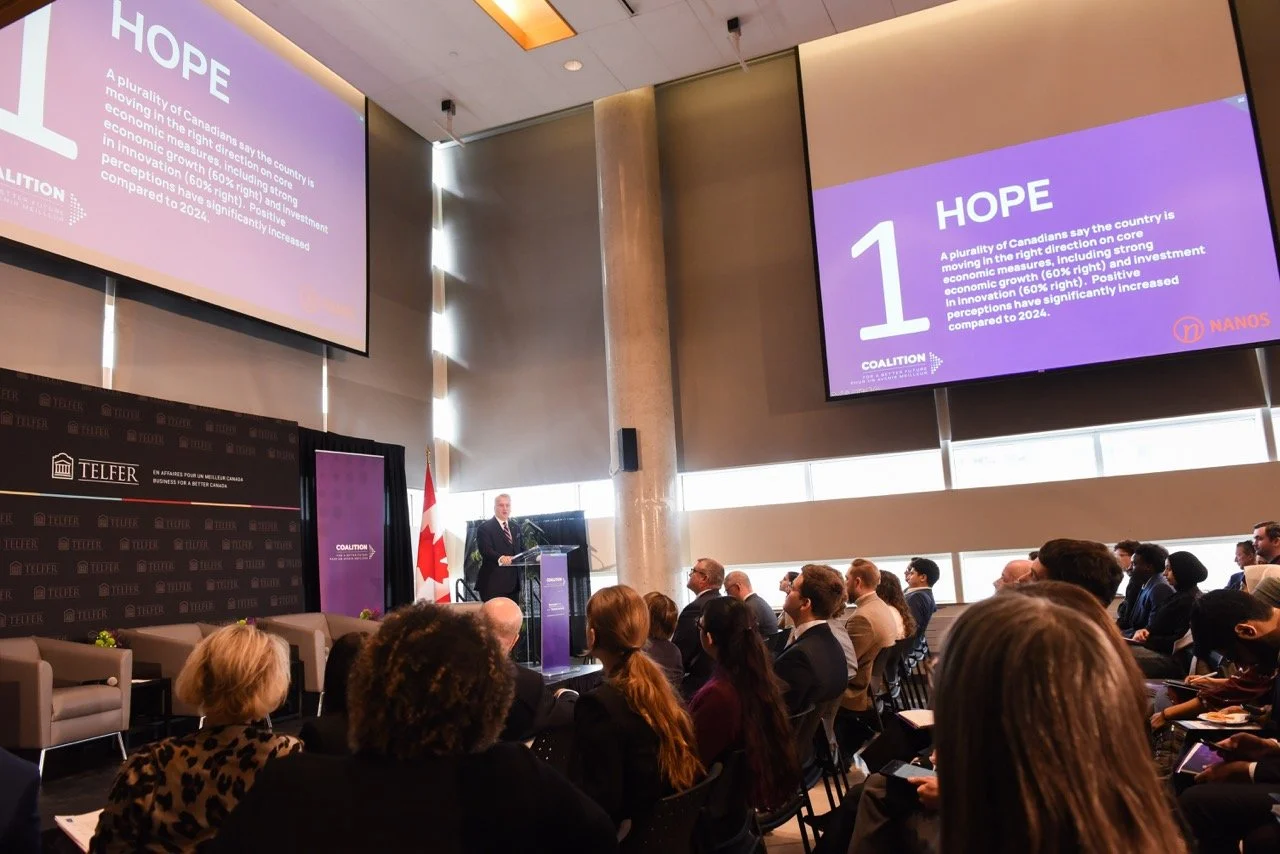
There is cause for cautious optimism. Exclusive polling conducted for the Coalition by Nik Nanos, chief data scientist of Nanos Research, reveals a mix of hope and anxiety among Canadians regarding the nation's economic trajectory. Nanos noted that 60 per cent of Canadians believe the country is moving in the right direction on key economic metrics. This represents the most significant increase in positive perception observed since 2024.
We discussed the untapped potential in rural Canada, which contributes 27 per cent of GDP while representing just 13 per cent of the population. These communities are ready to do their part — and they deserve the investment and policy attention to match.

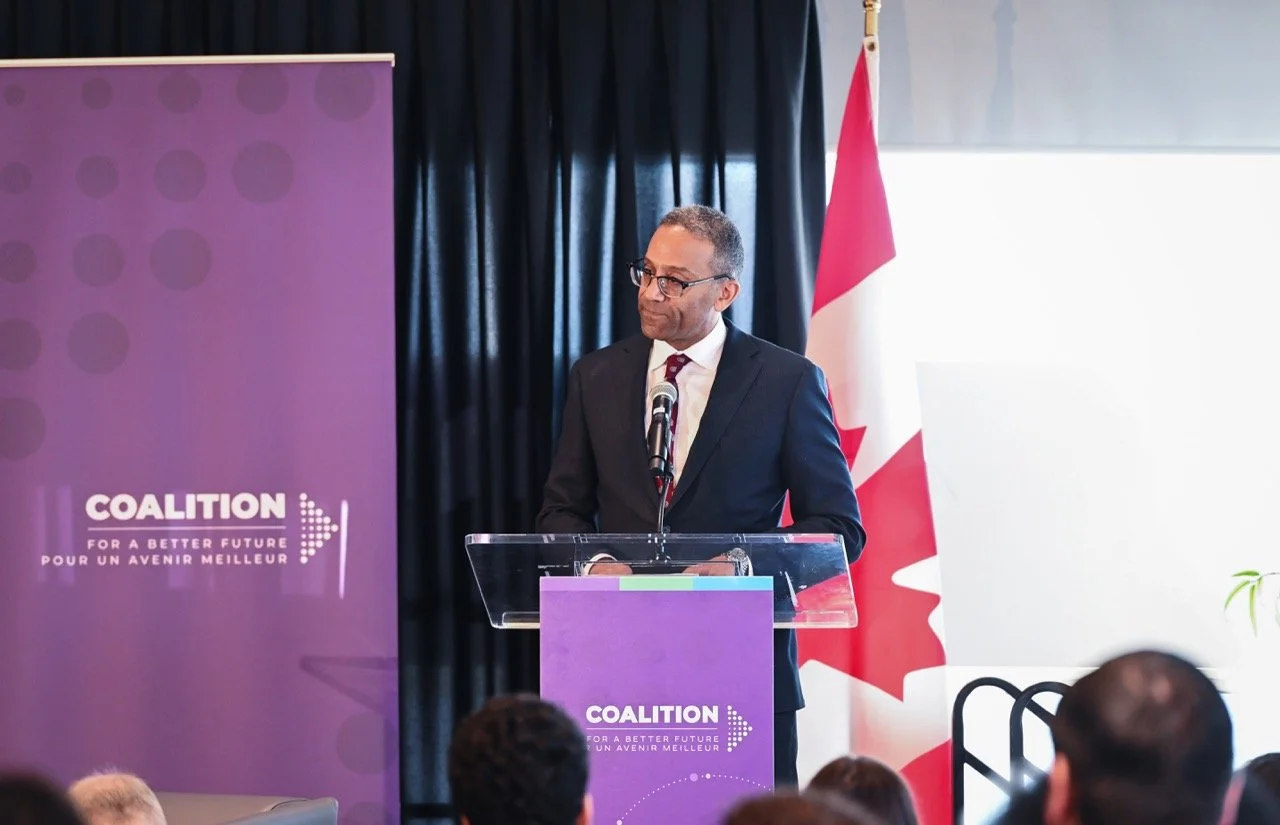
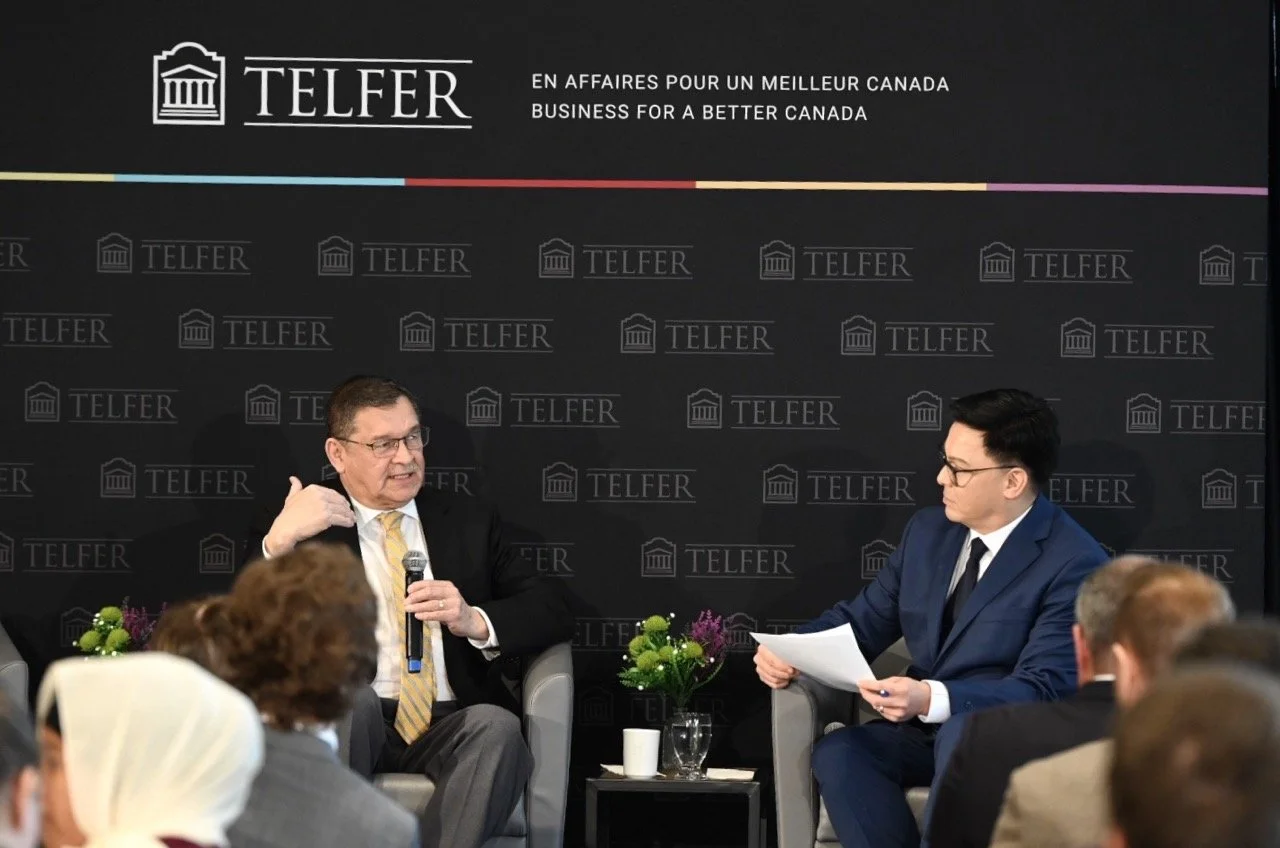
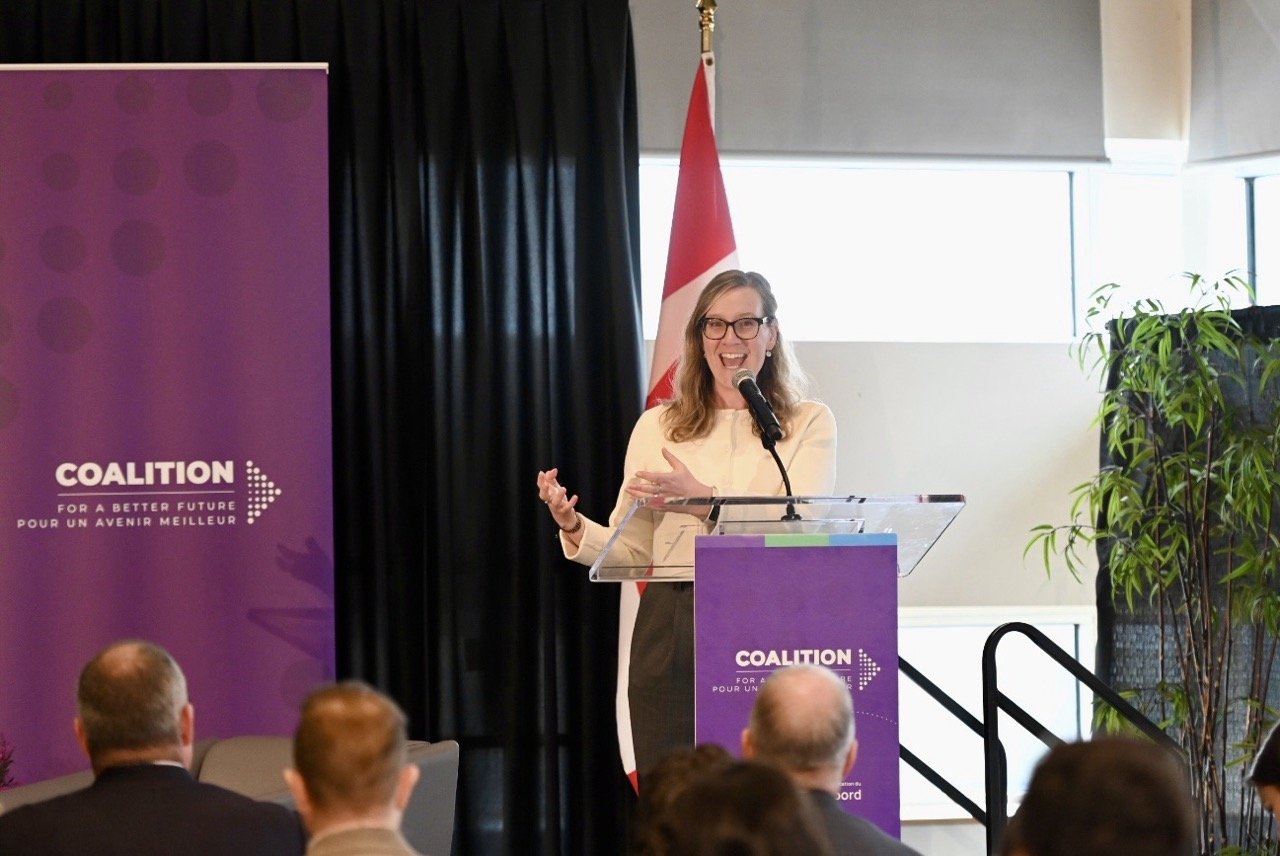
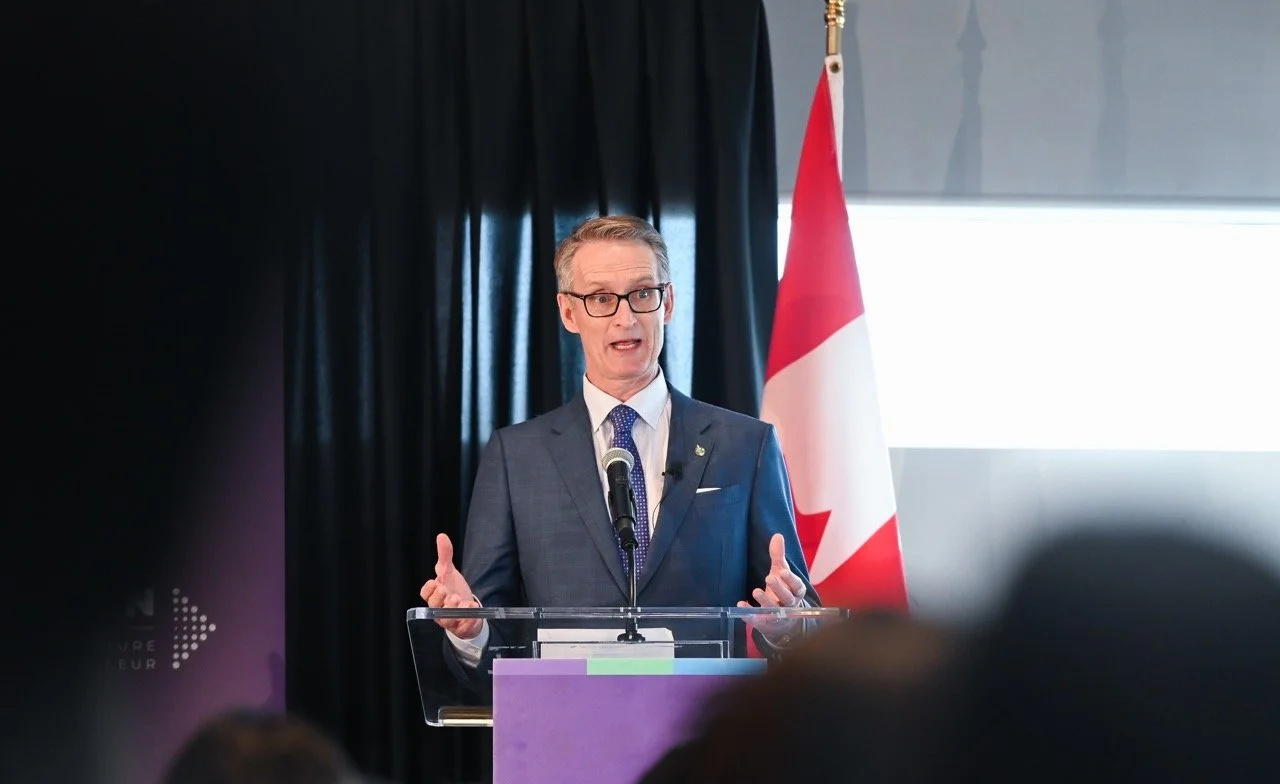
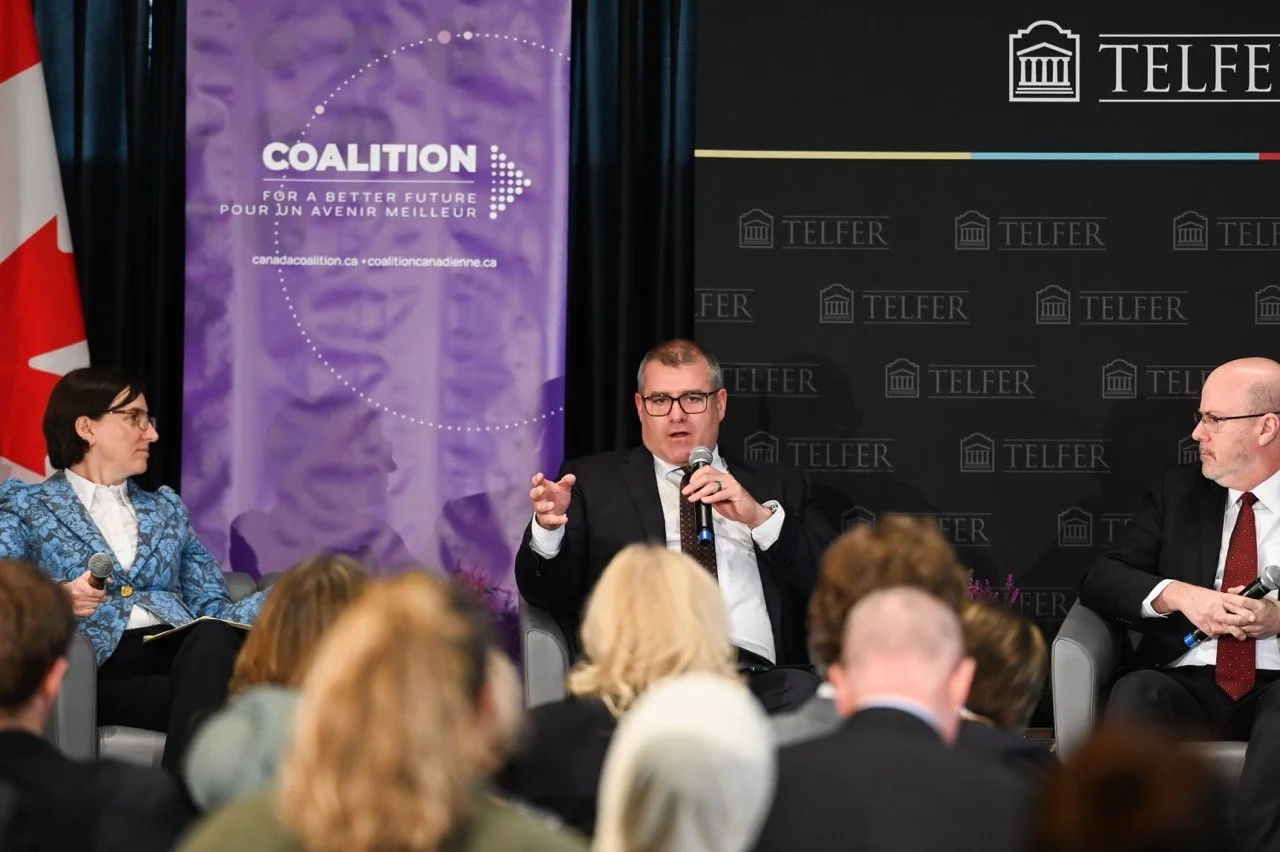
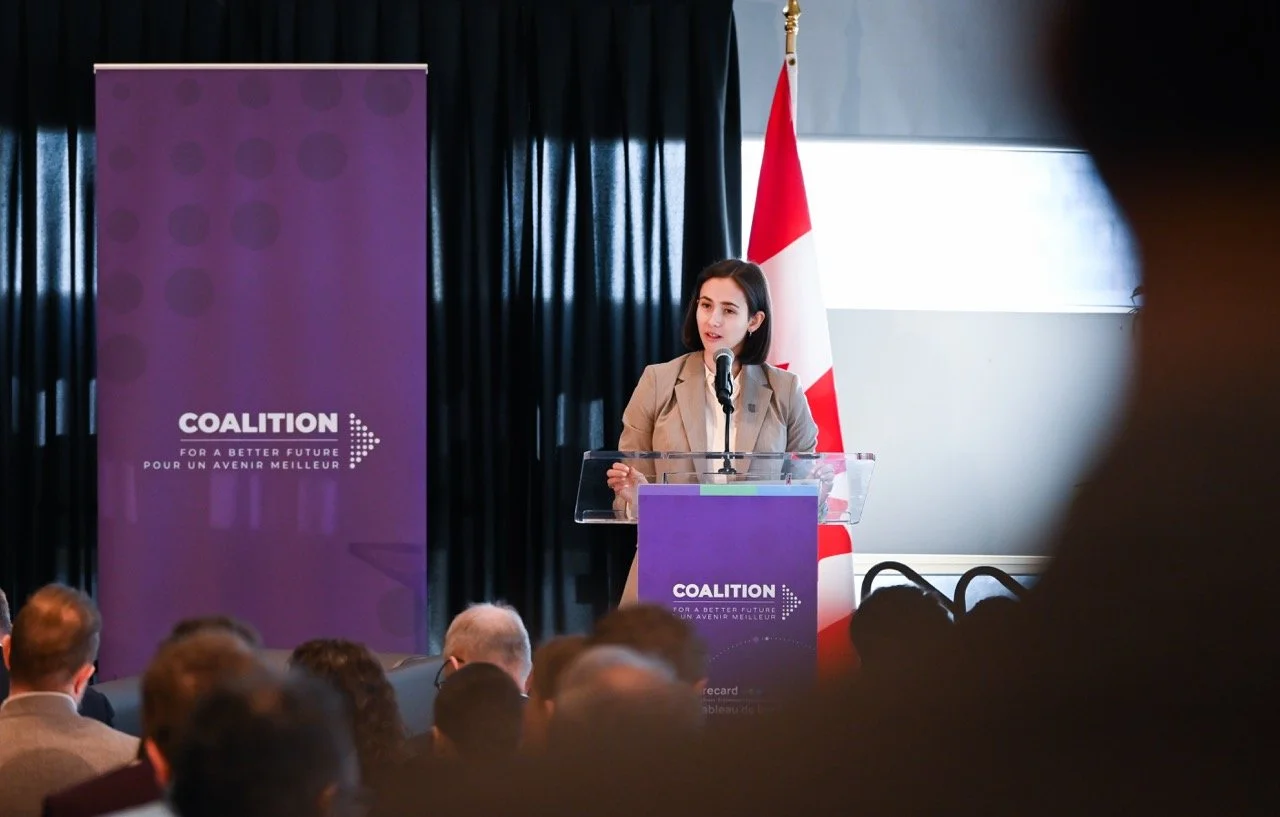
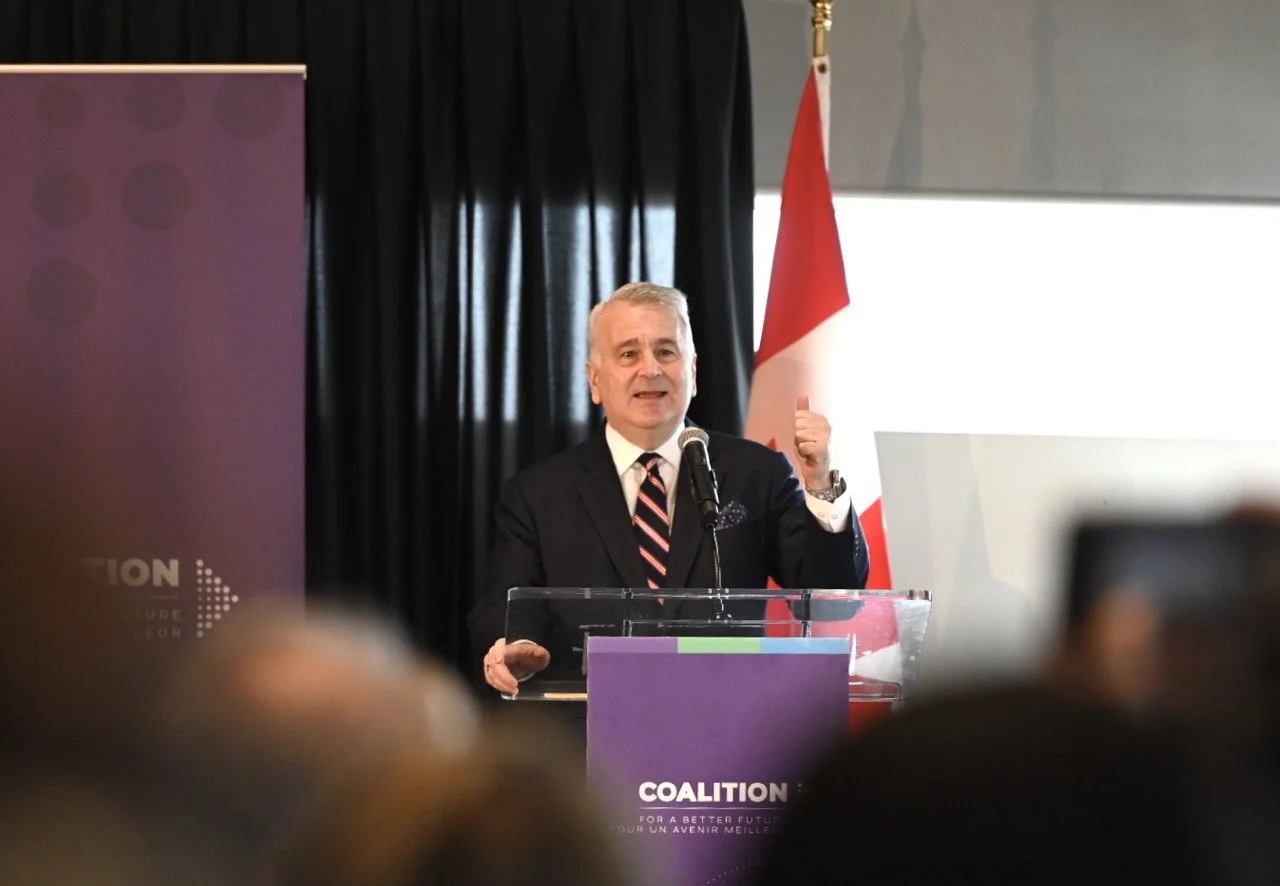
Many people overlook the fact that ‘Rural Canada accounts for over 13% of the national population, and yet they contribute 27% of its GDP,’ says Secretary of State (Rural Development) Buckley Belanger. | PHOTO: Melanie Shields
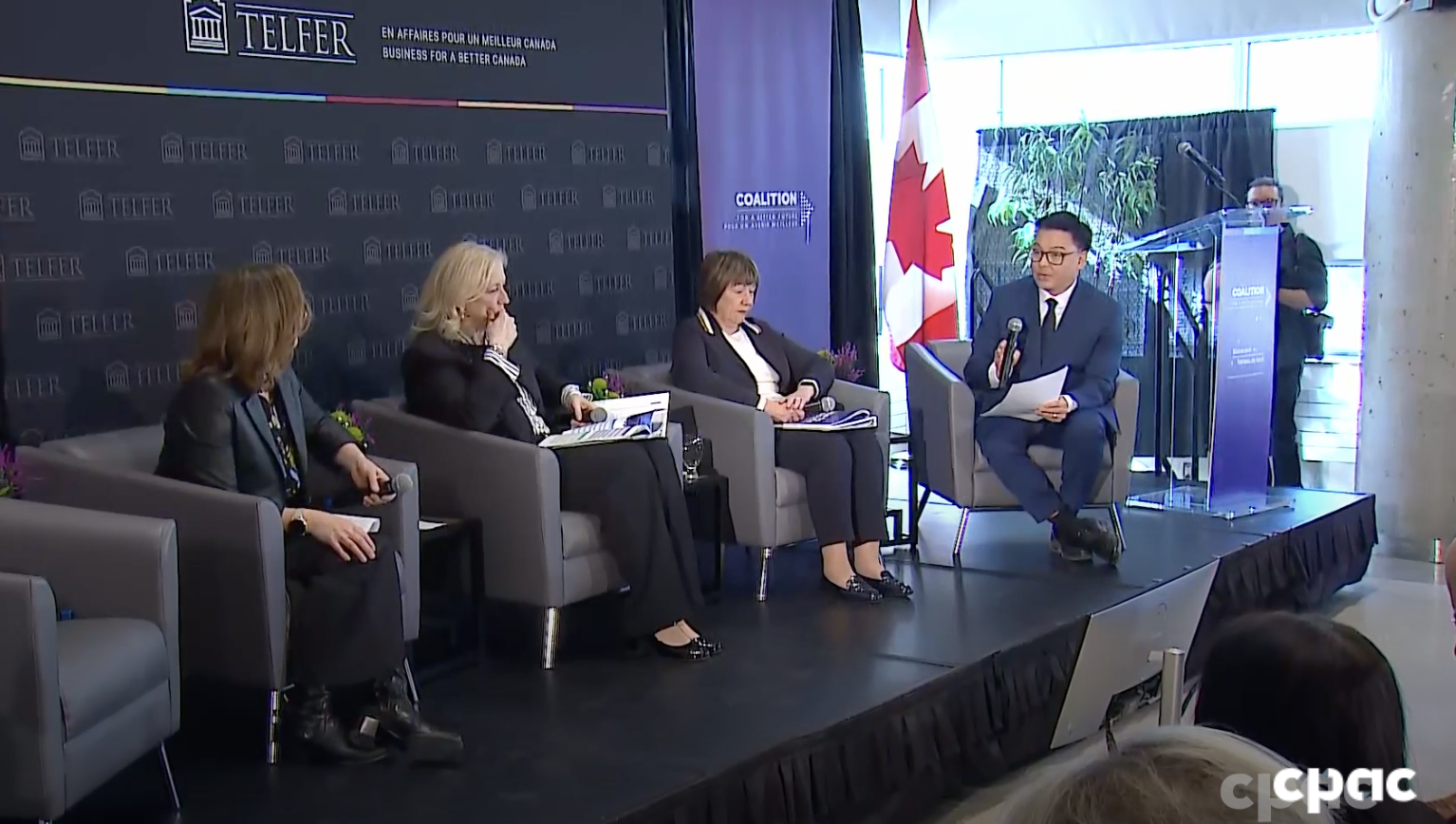
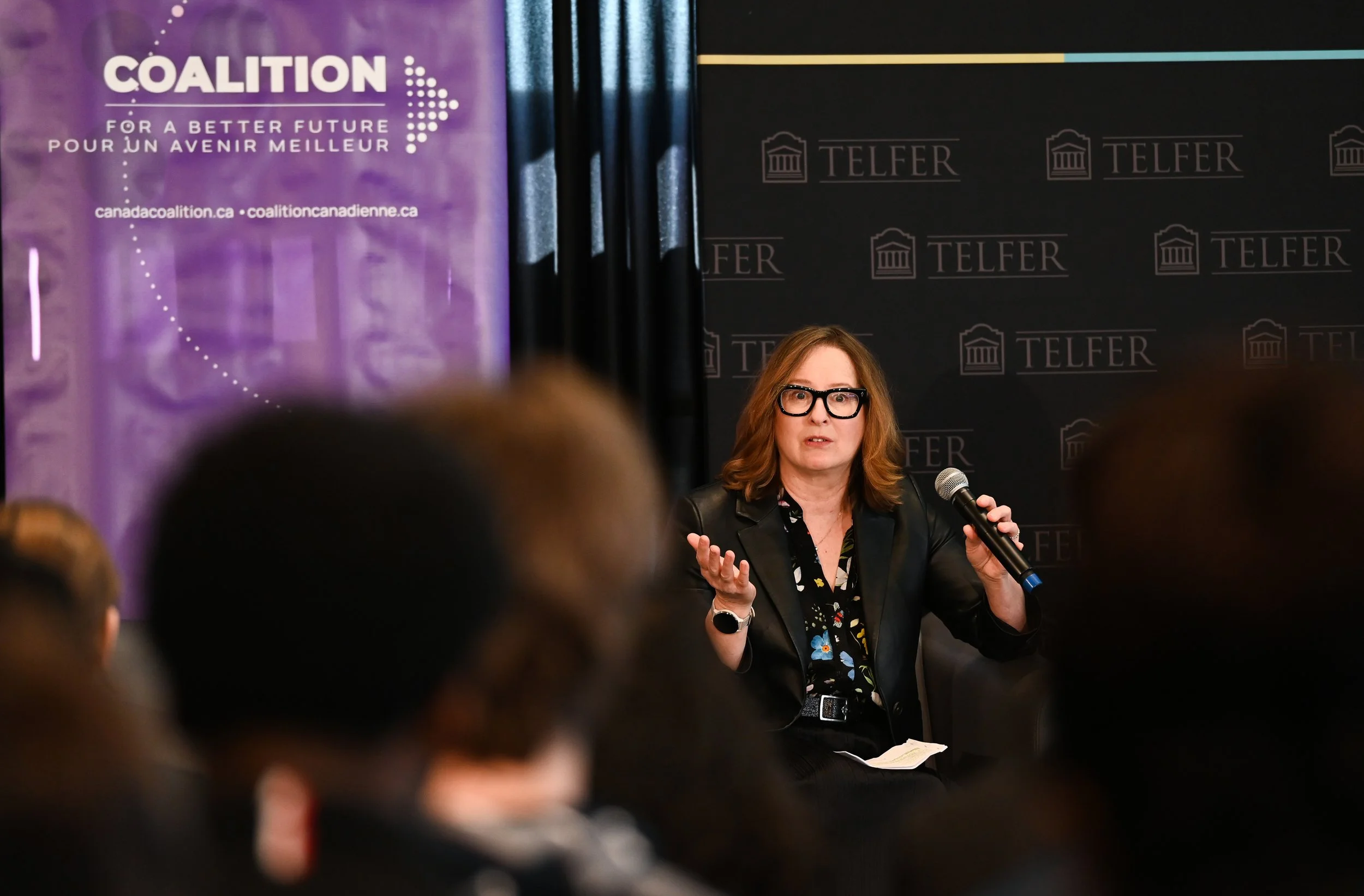
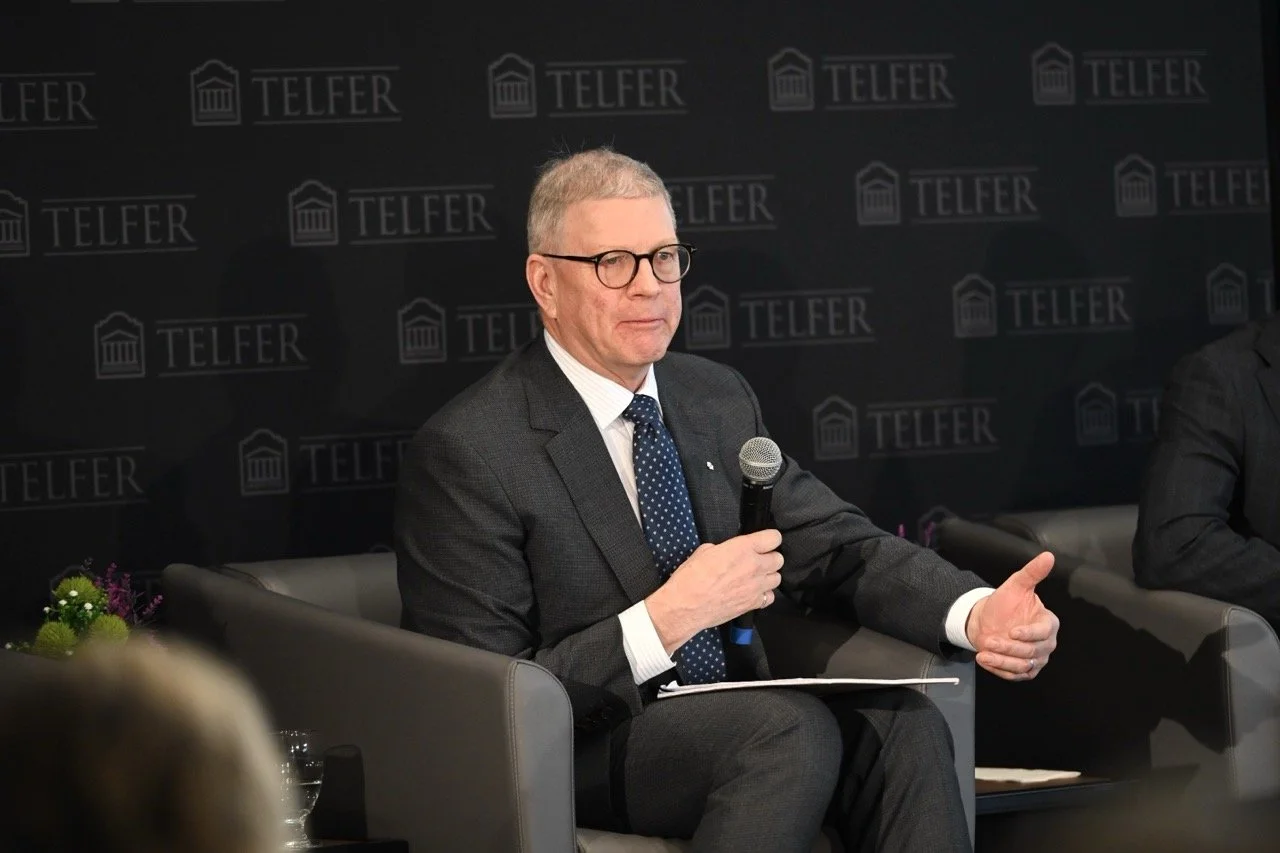
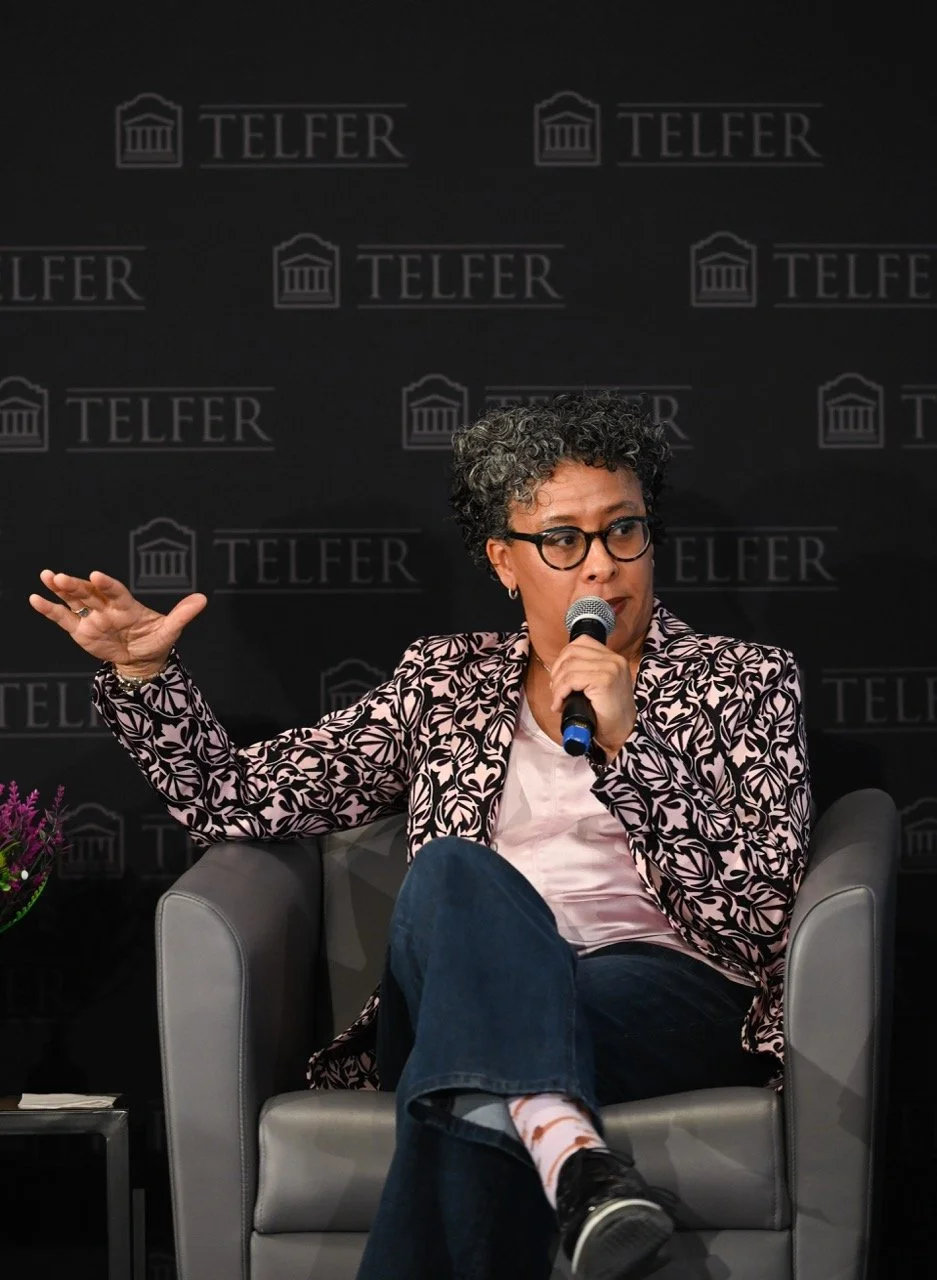
Carolyn Wilkins, External Member of Bank of England’s Financial Policy Committee. | PHOTO: Melanie Shields
During his fireside chat, Secretary of State for Rural Development Buckley Belanger expressed interest in applying a rural lens to policy development. This approach has long been championed by the Coalition.
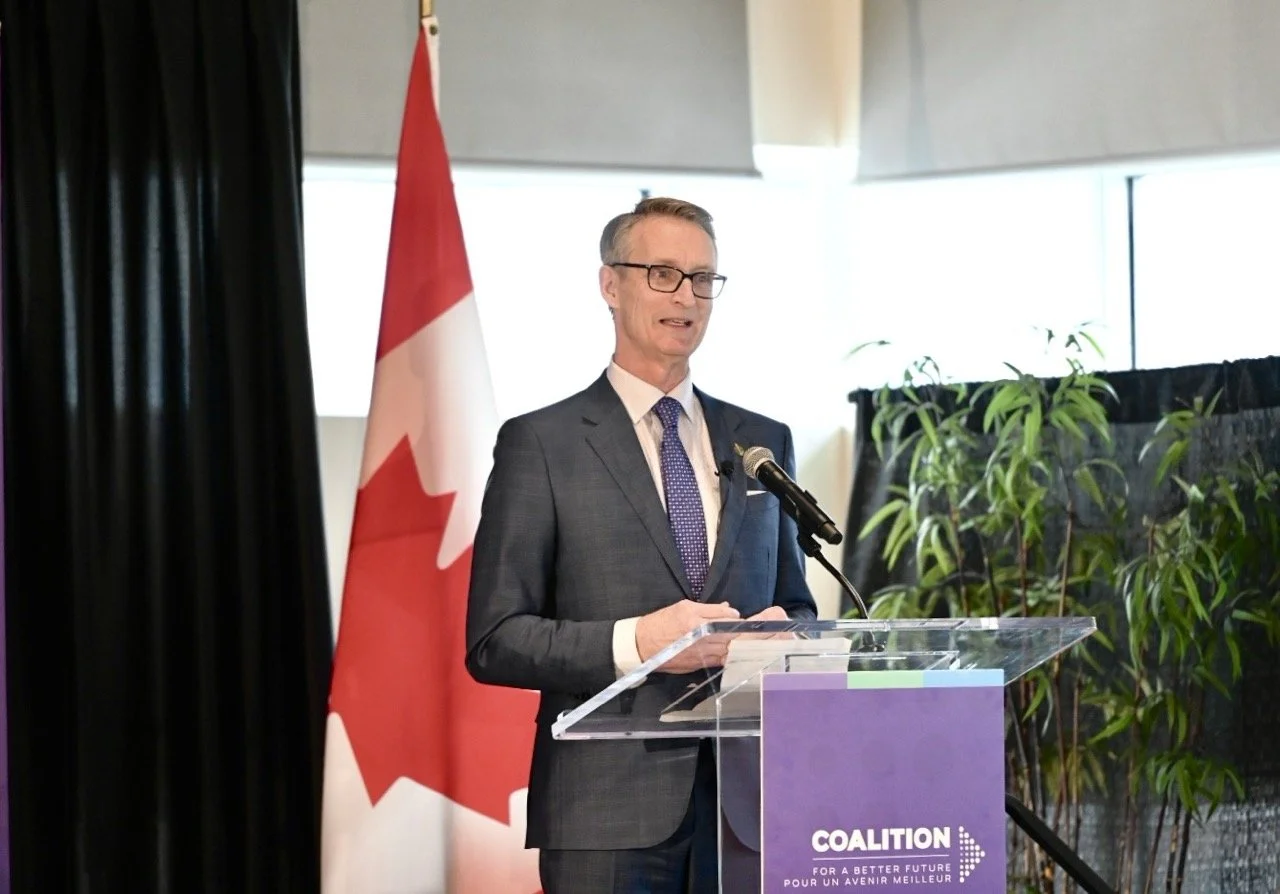
Justine Hendricks, president and CEO of Farm Credit Canada, closed with a compelling message: for Canada to succeed, it must be agile, adapt to changing realities more quickly, execute on our plans, and coordinate our efforts across educational institutions, businesses, and governments.
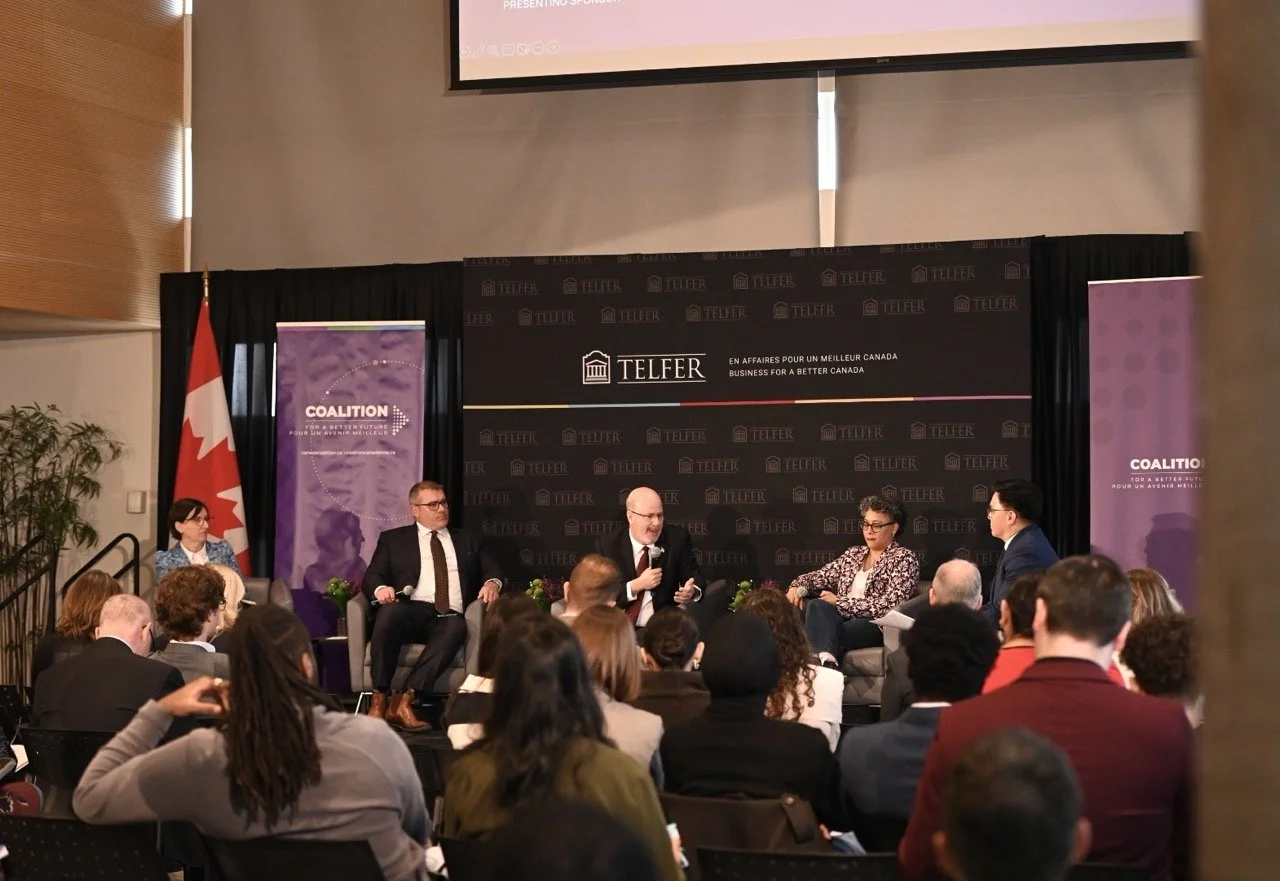
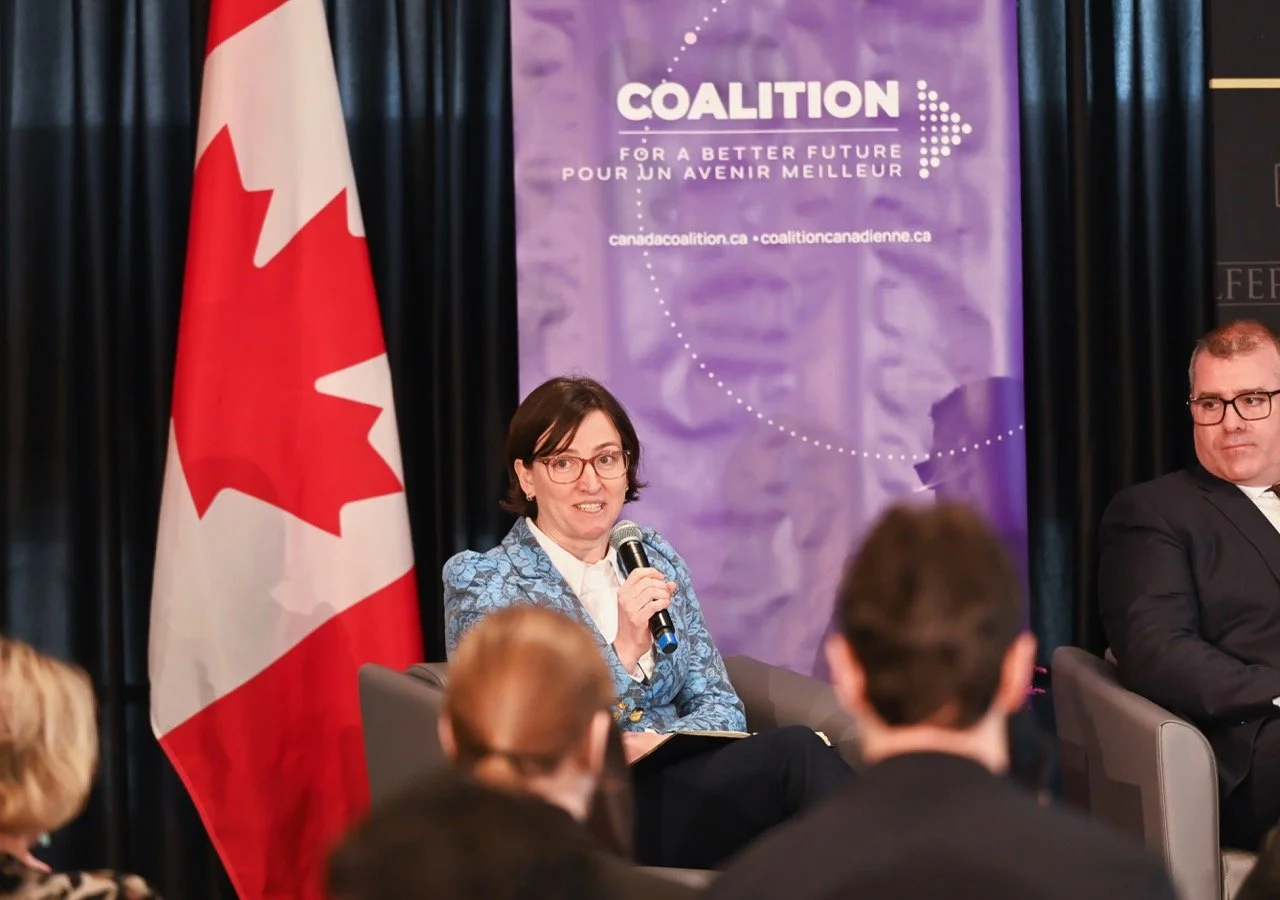
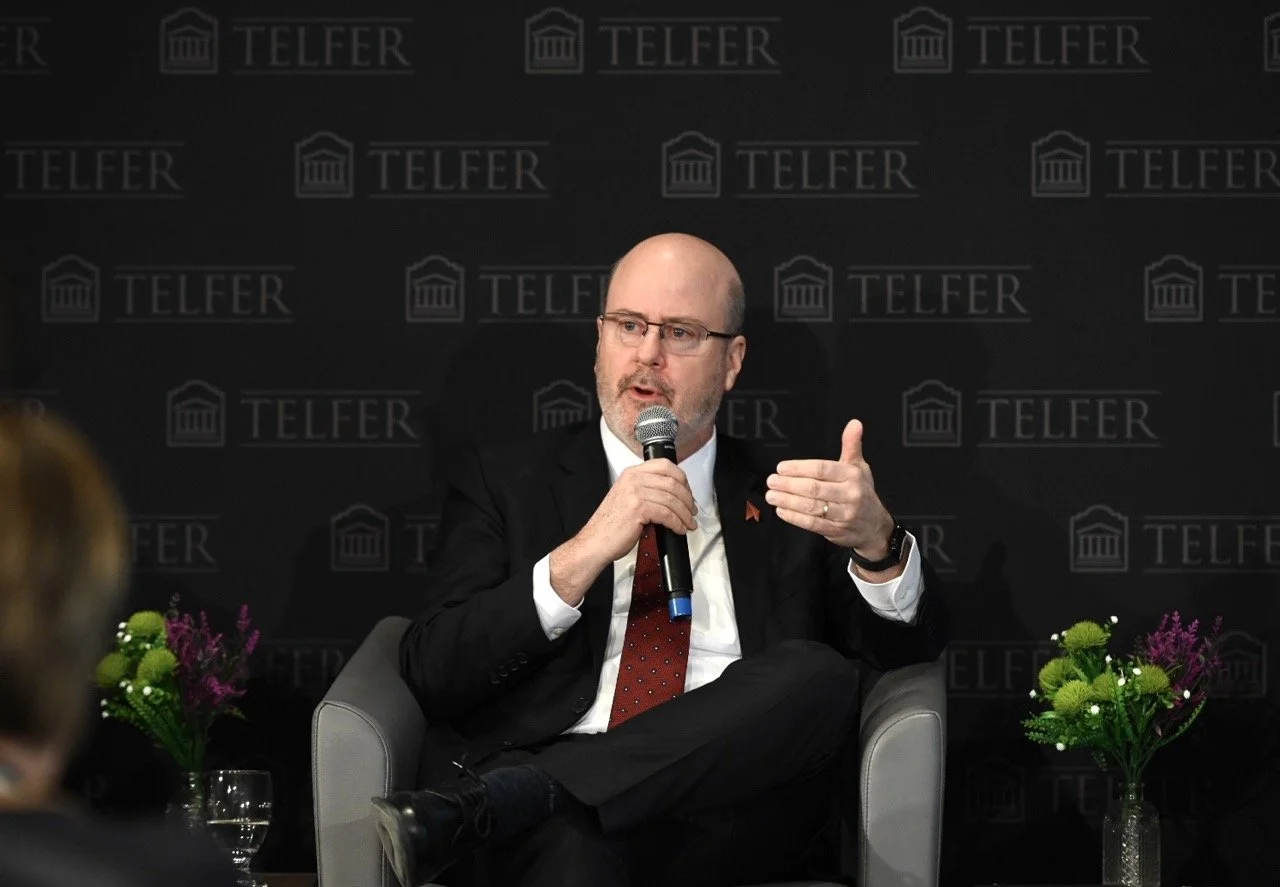
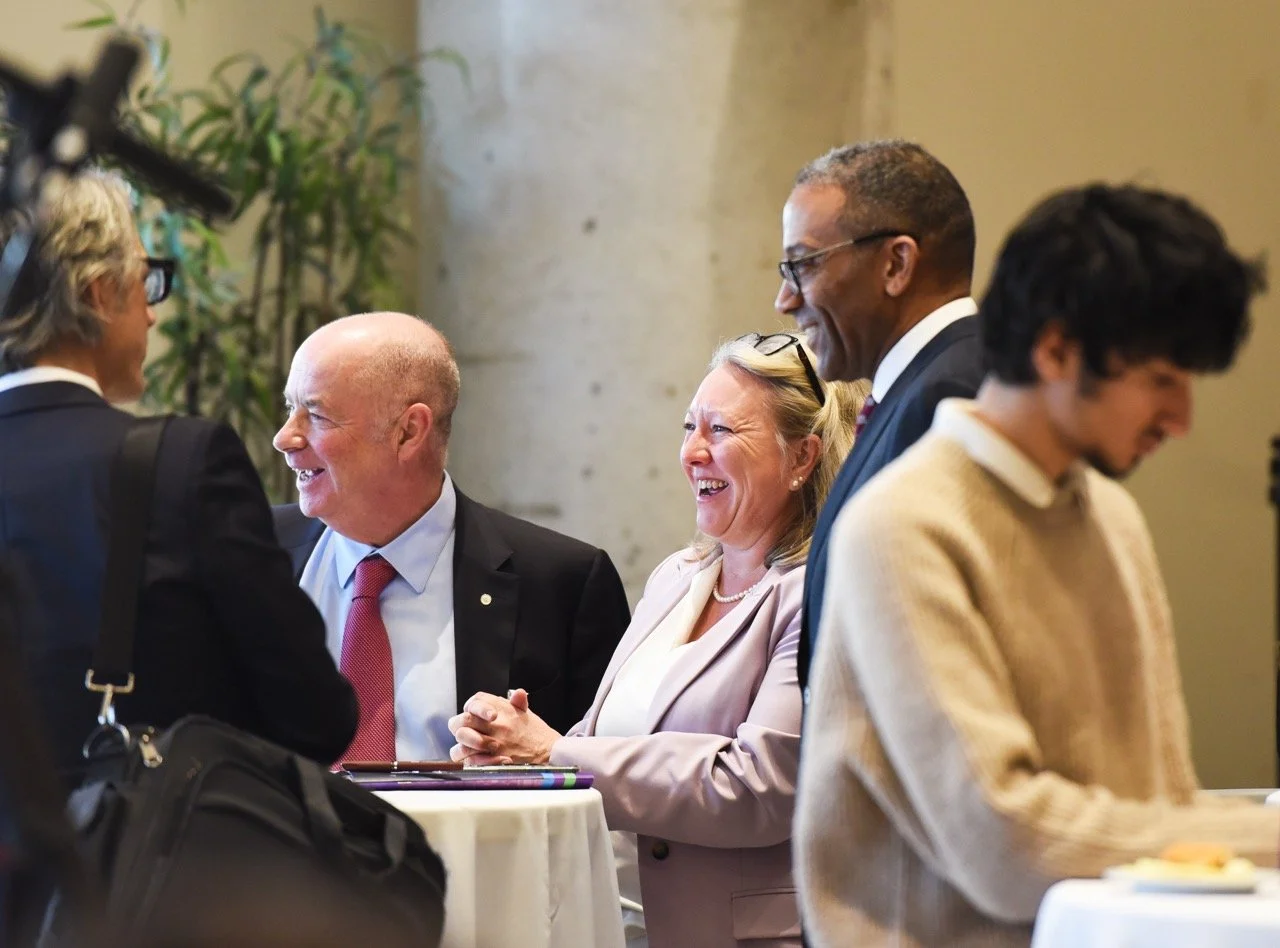
We extend our gratitude to all who attended the in-person discussion and to the panelists for sharing their valuable insights and solutions.
A special thank you to the Chair of the House of Commons Standing Committee on Finance Hon. Karina Gould, Liberal MP, and Conservative MP Greg McLean for joining us, fostering a collaborative atmosphere, and sharing solutions for our economy across party lines.
We are grateful for the data analysis provided by our partner, the Telfer School of Management at the University of Ottawa.
We also extend a special thank you to our lead sponsor, Power Corporation of Canada, for supporting the event.














Thank you to our sponsors


Sustaining & Podium Series Sponsor

Supporting Sponsor

Research Partner
Presenting Sponsor

Sustaining Sponsor

Media Partner

Supporting Sponsor

Media Partner